
Most rough days outdoors are decided in the driveway, not on the trail. A water bottle left on the kitchen counter. A rain shell still hanging on its hook. A headlamp whose batteries quietly died in the drawer sometime last November. None of it feels important until the wind picks up or the light starts to go, and then it is the only thing that matters. A day trip doesn't require much gear. It requires the right gear, checked on purpose instead of remembered in a hurry. Ten minutes with a list beats an hour of improvising, whether you're walking a ridge, paddling a lake, or working a stretch of river.
1. Layers You Can Actually Adjust
Dress for the whole day, not for the temperature in the parking lot. A warm morning can turn cold on an exposed ridge, in a shaded valley, or the moment you stop moving and the sweat begins to cool. A simple three-piece system handles almost everything:
- Base layer — synthetic or merino wool, never cotton. Cotton soaks up sweat, stays wet, and pulls heat away from you.
- Mid layer — a fleece or light puffy that packs down small. This is the layer you'll add and shed most often.
- Shell — a windproof, water-resistant jacket that fits over everything else. It also blocks bugs and brush.
Add a warm hat and light gloves in a stuff sack. They weigh almost nothing and turn a cold, windy lunch stop from miserable into pleasant.
Pack for the summit, not the trailhead
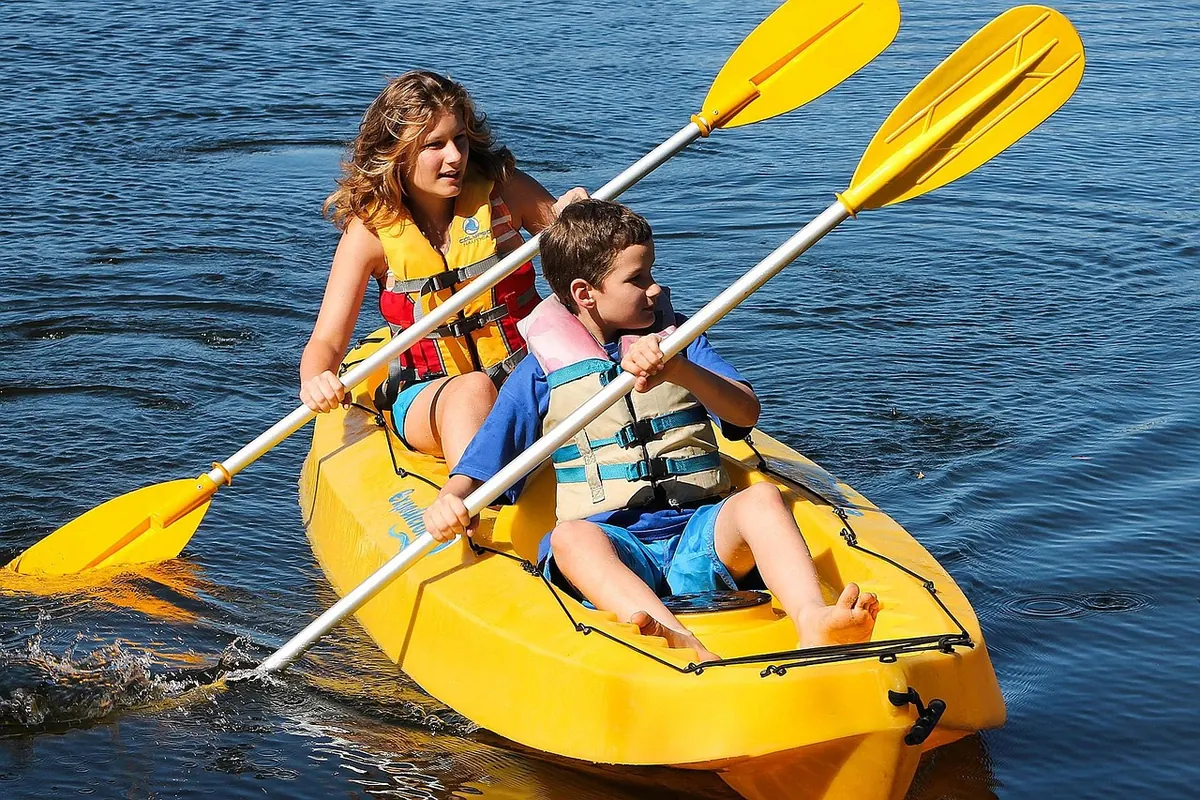
Temperature drops with elevation, and open water is always cooler and windier than the shore. If you're climbing a few hundred metres or crossing a lake, assume it will feel like a different season up there. On the water, add a spare dry layer in a dry bag — a soaking from a splash or a capsize changes the maths fast.
2. Water and Food: Bring Slightly More Than You Think
Under-drinking is the most common mistake on day trips, and it shows up as a headache and heavy legs in the last hour. A reasonable starting point is roughly half a litre per hour of steady effort in mild conditions, and more when it's hot, humid, or you're carrying a pack uphill. Carry it in a bottle or bladder you'll actually drink from, and know where you can refill or filter if the route allows.
For food, aim for real calories plus one fast option. Things that hold up in a pack and don't need cooking:
- Sandwiches, wraps, or a pot of cold rice or pasta
- Nuts, cheese, salami, or a hard-boiled egg
- Dried fruit, a chocolate bar, or a handful of sweets for the last climb
Eat before you're hungry and drink before you're thirsty. A snack every hour or so keeps energy steady and saves you from the bonk that arrives right when you still have two hours to walk out.
3. Navigation, Light, and a Way to Reach Someone
Know your route before you go, and carry the route with you. A paper map and compass don't run out of battery; a downloaded offline map on your phone is a fine backup, not a replacement. Check the forecast for the area you're actually visiting, not the town you're leaving from, and set a turnaround time in writing — a time, not a feeling.
Then cover the two things that turn a delay into an emergency:
- A headlamp with fresh batteries, even if you plan to be back by three. Twisted ankles, slow groups, and closed gates all happen in the dark.
- A charged phone in a waterproof case, plus a plan. Tell someone where you're going, the route, and when you expect to be out. If you'll be out of signal, say so.
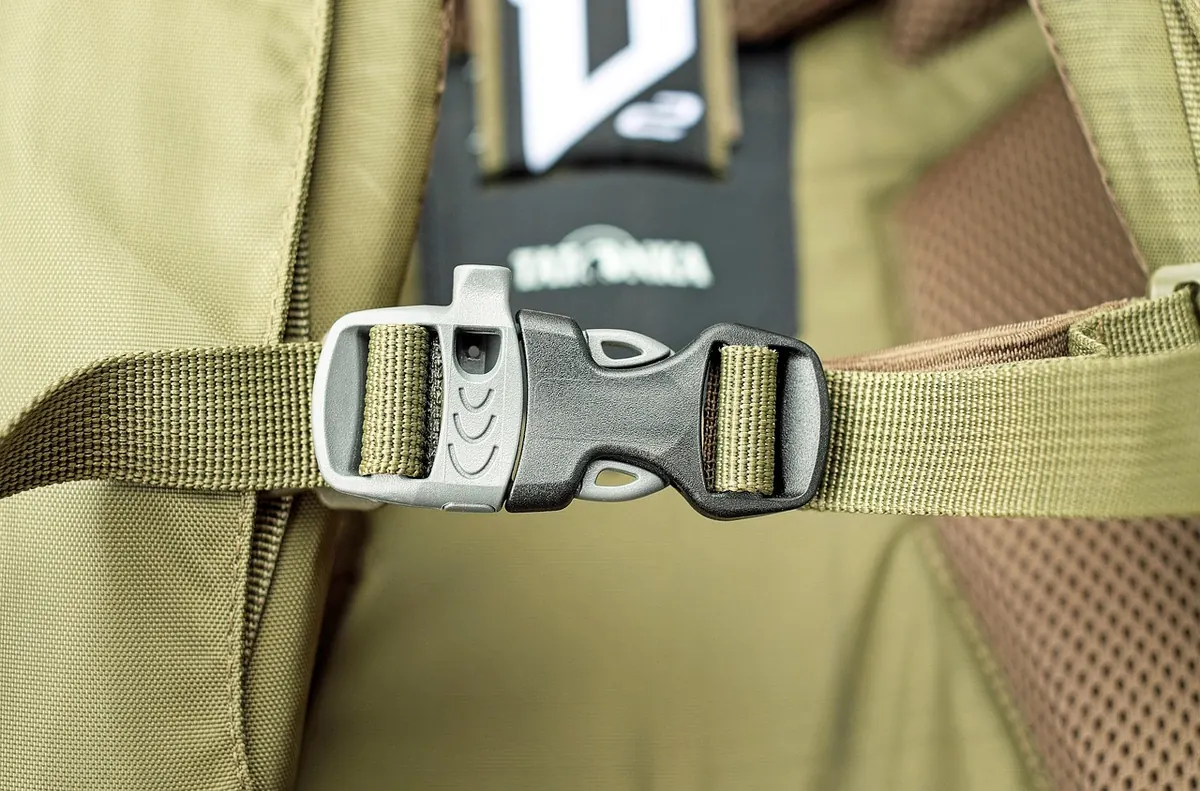
A whistle on your shoulder strap or around your neck is the cheapest rescue tool you can carry.
4. The Safety Kit and Repair Basics
Your first aid kit only needs to handle the small stuff until you can get proper help: blister plasters, adhesive tape, antiseptic wipes, gauze, a few painkillers you know you can take, tick tweezers, and any personal medication. Add a space blanket and a small lighter. If you have a medical condition, ask your doctor what belongs in your kit — that conversation is worth having before the season, not after an incident.
The repair pouch
Repairs are about preventing a small failure from ending the day. Keep a compact pouch in your pack and it stays packed:
- Duct tape wrapped around a water bottle or trekking pole
- A few metres of cord, plus two or three zip ties
- A multitool or small knife, and a spare bootlace or strap
Adjust by activity. Paddlers should carry a sponge or bilge pump, a spare paddle for open water, and a patch kit for inflatables. Anglers should add nippers, forceps, and spare tippet or leader. Hikers should throw in a pole tip and a square of moleskin.
5. Weather, Sun, and Insects
Check the sky, not just the app. Building cumulus by mid-morning usually means afternoon thunderstorms in the hills, and wind on open water builds faster than any forecast shows. Sunscreen, lip balm, a wide-brimmed hat, and sunglasses are gear, not accessories — glare off water and snow burns quickly. Insect repellent and a head net weigh nothing and can rescue a summer evening on a riverbank.
The Ten-Minute Doorstep Check
Lay everything out on the floor before it goes in the pack. Packing from memory is how the headlamp stays in the drawer. Then ask three questions: if the weather turns, can I stay warm? If I'm out after dark, can I see and be seen? If something breaks, can I fix it well enough to get home?
If the answer to any of those is no, you know exactly what to add. Charge what needs charging, fill what needs filling, and leave the plan with someone. Do it the night before and the morning stays calm — which is a much better way to start a day outside.
Photo: Couleur / Pixabay
Related posts
More stories you’ll love reading