
The first family hike usually ends one of two ways: a kid asleep on your shoulder in the car, or a meltdown a quarter mile from the trailhead. The difference is rarely the kids. It's the plan. A short route, an honest pace, and a snack they actually like will carry you further than any speech about the view at the top.
Choose a Trail a Child Could Finish Twice
Pick your route as though you might have to carry someone out. If that sounds like a miserable afternoon, it isn't the trail for a first outing. Four things matter more than total distance:
- Elevation gain. A flat two-mile loop beats a one-mile climb almost every time. Keep the climbing modest with younger kids and save the hills for when they're bigger.
- Surface. Packed gravel and dirt move quickly. Loose scree, slick roots, and soft sand slow small legs to a crawl.
- Escape routes. An out-and-back trail lets you turn around whenever you need to. Loops are lovely until you're three miles from the car with a tired five-year-old.
- Something to arrive at. A creek, a bridge, a pond, a huge fallen tree. Kids need a destination, and "the end of the trail" isn't one.
Check the map before you leave home, not in the car park. Read the elevation profile, scan recent reports for blowdowns or flooding, and note how big the parking area is. A full lot on a sunny Saturday can add a quarter mile of roadside walking you never planned for.
Pace for the Slowest Pair of Legs
Assume you'll move at roughly half your usual speed. That 45-minute walk can easily take an hour and a half, and most of the extra time will be spent inspecting rocks, balancing on logs, and negotiating who gets to hold the map.
Set a turnaround time rather than a distance. If you have two hours, turn around at one, no matter how close the viewpoint looks. Kids' energy drops faster than their enthusiasm, and the walk back is almost always the harder half.
Let the slowest child set the pace, and if two adults are along, put one at the front and one at the back so nobody gets left behind a bend. Avoid promising a summit you might not reach. Promise the creek, the snack, and the ride home instead.
What Goes in the Daypack
Resist the urge to pack for an expedition. Do pack these:
- Water for everyone, plus a spare bottle
- Snacks — two per person, easy to eat one-handed
- A light fleece and a rain shell for each child, even on a clear forecast
- Sun hats and sunscreen
- A small first aid kit: plasters, antiseptic wipes, tweezers, tape, and any personal medication
- A headlamp or a charged phone with a light
- A paper map or a downloaded offline map of the area
- Wet wipes and a small bag for rubbish
- Spare socks, because someone will find the mud
If anyone in your group has a health condition, or you're heading somewhere remote, speak to a doctor about what's sensible before you go.
Let them carry their own
A small daypack holding a water bottle, a snack, and a stuffed animal turns a kid from passenger into hiker. Keep it light, and let them adjust the straps themselves.
Safety Habits That Take Five Minutes to Teach
Stop and stay put
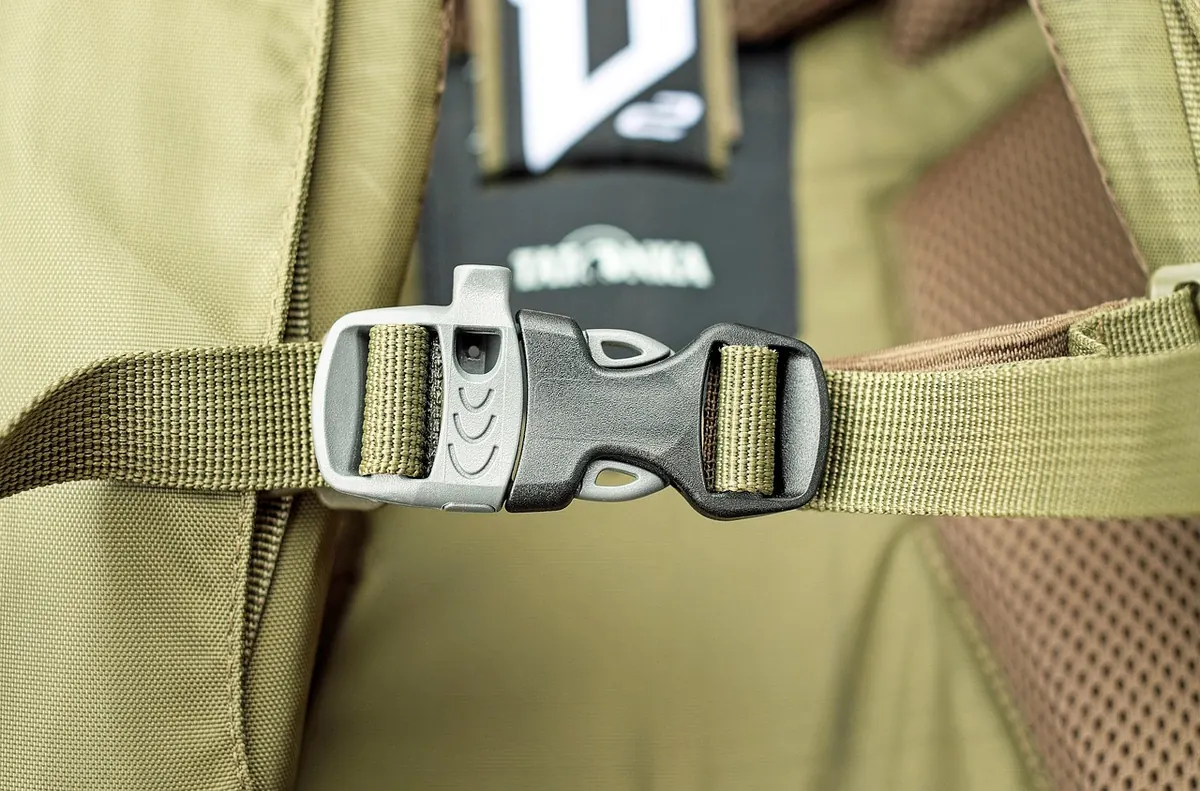
Before you start walking, agree on one rule: if you can't see a grown-up, stop and stay exactly where you are. Clip a whistle to each child's pack and practise three short blasts for "I need help" in the back garden, where nothing is at stake.
Dress for the weather you might get
Afternoon storms, wind on exposed ridges, and sudden temperature drops are the usual surprises. Layers beat one thick jacket every time, and cotton stays cold when it's wet. Check the sky at each stop and say out loud what you notice.
Drink before they ask
Children often don't feel thirsty until they're already flagging. Offer water at every stop, start early in the day, take shade breaks, and shorten the plan when it's hot. If someone seems unwell rather than tired, treat it as a reason to head back immediately and seek medical advice.
Keeping Small Hikers Interested
Boredom, not distance, ends most family hikes. Give each child a job: map reader, trail marker spotter, official snack distributor, dog handler. Rotate the roles when interest dips.
Simple games work better than elaborate ones. Find five different colours, count the bridges, look for animal tracks, listen for three separate bird calls, guess what's around the next bend. Let them lead for stretches, even when it's slower and the route wanders. Narrate what you see and ask questions you genuinely don't know the answer to — kids stay curious when adults are curious too.
Make the Snack Stop the Destination
Plan a proper stop at the halfway point. Packs off, sit down, eat something salty and something sweet. That break is the reward, and it does more for morale than any view.
Stick to food you know they'll eat; a hike is not the moment to introduce a new flavour. Save the best treat for the turnaround point rather than the car, so there's something to walk toward. Keep crumbs and wrappers contained and pack everything out — wildlife that links people to food becomes a problem for the next family on that trail.
Start Smaller Than You Think
For a first outing, choose a 20- to 30-minute trail close to home. Walk it twice before you go longer, so your child learns the route and you learn their limits. Keep a short list of nearby options you can reach in 20 minutes and go often rather than far; repetition builds confidence faster than new scenery.
End while everyone is still happy. If the last ten minutes turn into a forced march, next weekend's suggestion of a walk will land badly. The goal of a family hike isn't distance or elevation. It's a kid who asks to go again.
Photo: StockSnap / Pixabay
Related posts
More stories you’ll love reading