


You've planned the meals, checked the forecast, and bought two bags of ice. Now the cooler sits in the garage, and you're weighing a familiar question: the heavy hard-sided box that keeps ice for days, or the soft bag you can sling over one shoulder? Both work. They just work differently, and the right pick depends on how long you're out, how far you're carrying things, and how often you plan to open the lid.
The short answer
Hard coolers win on ice retention. They have thicker foam walls, a rigid lid that seals evenly, and enough structure to hold a block of ice without it shifting around. If your trip runs three days or more, or you're camping in serious heat, that matters.
Soft coolers win on everything else. They're lighter, they squash into odd corners of a trunk or canoe, and carrying one from the car to the tent site doesn't wreck your shoulder. For an overnight trip or a day at the lake, a decent soft cooler does the job perfectly well.
Plenty of campers end up owning one of each. That's not gear hoarding; it's a system, and we'll get to how it works at the end.
Ice retention: where hard coolers pull ahead
Think about how a cooler actually keeps things cold. It isn't the ice — it's the insulation slowing the transfer of outside heat. Hard coolers have more room for that insulation, often a thick layer of polyurethane foam on all six sides. Rotomolded models, the ones with the chunky rubber latches and heavy lids, push this furthest, which is why they're so heavy even when empty.
Soft coolers use a thinner closed-cell foam liner, usually well under an inch. That's still effective for a day or two, but the zipper is the weak point. Even a leakproof zipper lets a little air exchange happen every time you open it, and the walls flex against the contents as you carry the bag, which doesn't help.
The practical difference: a hard cooler packed well can hold ice through a long weekend and sometimes beyond. A soft cooler typically gives you a solid day, maybe two if you start with block ice and keep it shaded.
Ice retention is about the seal and the thickness of the foam, not the price tag. A simple hard cooler with a good lid gasket will usually outlast a premium soft bag over a three-day trip.
Portability: the soft cooler's advantage
Pick up a loaded hard cooler and you'll understand the trade-off immediately. A large rotomolded model can weigh well over 30 pounds empty, which means two people or a set of wheels once it's full. Soft coolers weigh a few pounds, come with shoulder straps, and can be carried by one person along a portage trail or up a set of stairs without a rest stop.
Soft coolers also forgive bad packing. Toss one into the footwell of a packed car and it molds itself around the duffel bags. A hard cooler demands its own rectangle of space, and you either plan around it or leave it home.
Packing space and stacking
Here's the counterintuitive part: a soft cooler that claims the same capacity as a hard cooler often holds less usable food. Its walls are squishy, contents settle, and anything crushable near the edges gets crushed. A hard cooler keeps its interior dimensions no matter what you put inside, so you can stack containers and know the lid will close.
Hard coolers also earn their keep as furniture. A big one becomes a bench, a table for the camp stove, or a step for reaching the roof box. That's a real benefit when you're cooking in the dirt.
A few things worth remembering when you're loading either type:
- Chill everything before it goes in. A warm watermelon will melt a surprising amount of ice.
- Use block ice or frozen water bottles for the bottom, cubes for the gaps.
- Fill empty space with a towel or a second bag of ice — trapped air warms up fast.
- Keep drinks in a separate small cooler so you're not opening the food cooler every ten minutes.
- Drain less often than you think. That cold meltwater helps hold the temperature down.
Durability and long-term ownership
Hard coolers take abuse. You can sit on them, drop them off a tailgate, and drag them across gravel. The parts that fail — hinges, latches, drain plugs — are usually replaceable, which means a good one can last a decade or more.
Soft coolers live and die by their zipper. Sand, grit, and dried drink residue wear it out, and a failed zipper usually means a dead cooler. Rinse and dry the zipper after every trip, and store the bag open rather than folded flat. Do that and you'll get several seasons out of it; skip it and you might get one.
Which cooler fits which trip
- Overnight car camping: soft cooler. Easy in, easy out, plenty cold for 24 hours.
- Three-day base camp: hard cooler, medium size, kept in the shade under a tarp.
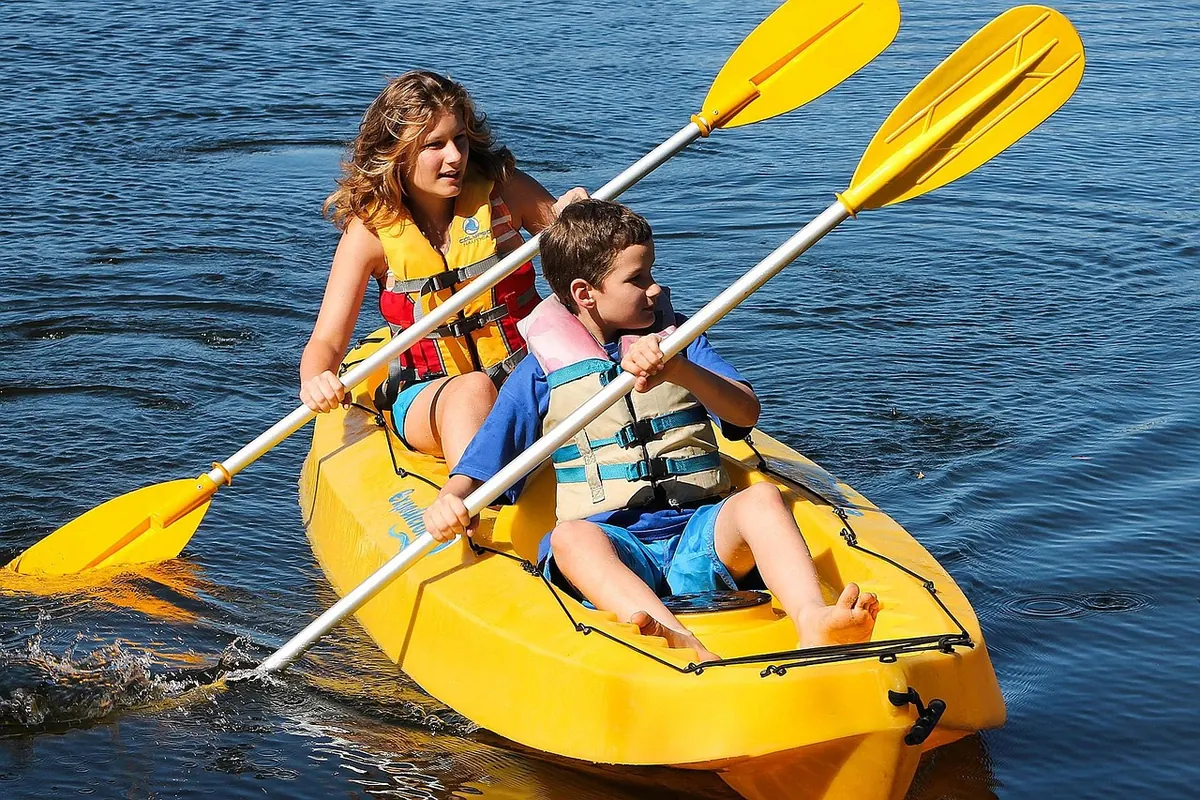
- Canoe or kayak trips: soft cooler for the day bag, small hard cooler for the food cache at camp.
- Backpacking: neither, unless you're carrying a tiny soft cooler for the first night's dinner.
- Extended trips in hot weather: hard cooler, and consider a second small one for drinks.
How to get the most cold out of whichever cooler you own
Start every trip with a cold cooler. The night before you leave, fill it with a bag of ice, close the lid, and let it sit. That pre-chill drops the interior temperature so your real ice isn't spending its first hours fighting warm plastic.
Then use two coolers if you can. One stays closed with the food; the other holds drinks and gets opened all day. The food cooler might get opened twice a day instead of twenty times, and that alone can add a full day of ice life.
Keep the cooler out of direct sun and off hot ground. A reflective blanket or a damp towel over the top helps more than you'd expect. At night, if the temperature drops, leave the lid shut and let the cool air do some of the work for you.
Finally, pack for the cooler you actually have. If you're bringing a soft bag, plan meals for the first two days and keep the third-day food frozen solid. If you're hauling a hard cooler, you can relax and bring the fresh vegetables. The gear sets the menu, not the other way around.
Photo: NZKGB / Pixabay
Related posts
More stories you’ll love reading