

Camping
Camping Checklist for a Wet Weekend in the UK: 15 Items You'll Actually Use
September 19, 2026
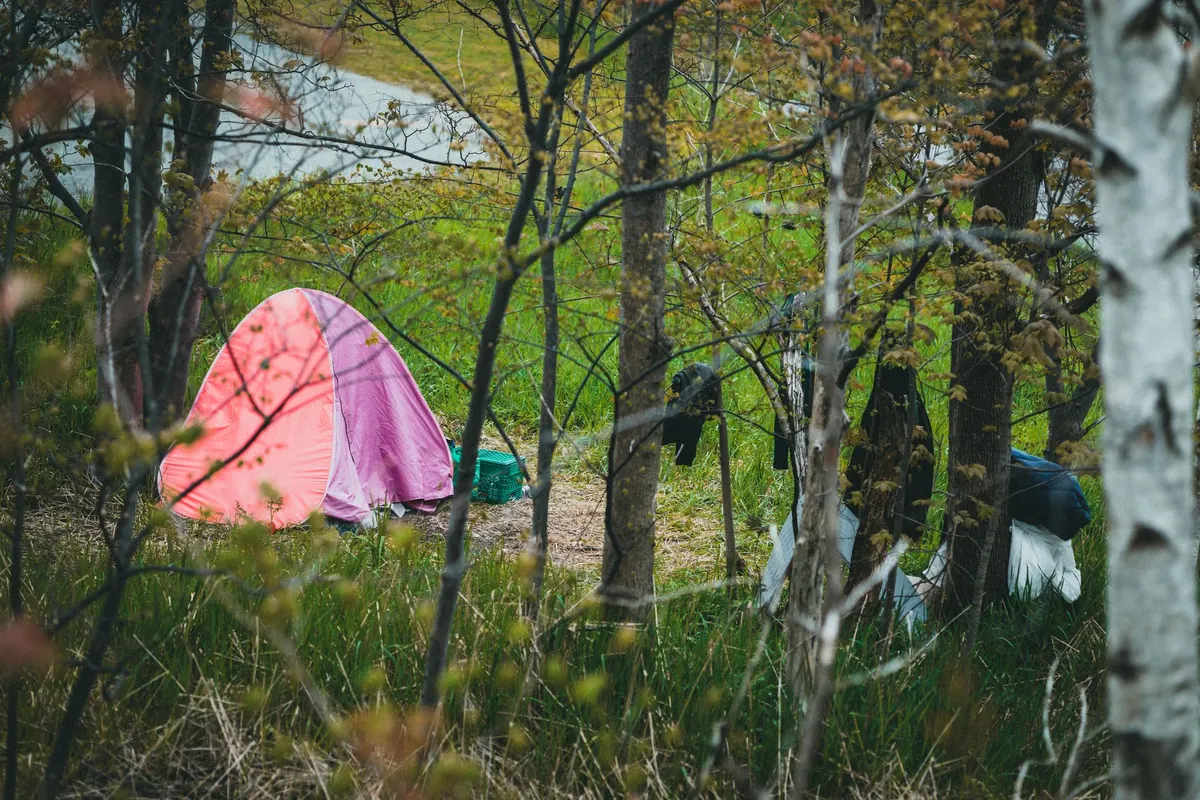
British weather rarely asks permission. You can check the forecast on Thursday, pack on Friday, and still spend Saturday morning crouched under a leaking porch watching puddles join up. The difference between a miserable weekend and a genuinely good one is seldom the rain itself — it is what you packed for it. Here are fifteen items that earn their space when the forecast turns grim, grouped by where they matter most.
Shelter: Pitch for the Rain, Not the View
That perfect spot on the ridge with the view? Skip it in a wet forecast. Look for slightly raised ground with good drainage, well away from the bottom of a slope, ditch lines, and the compacted patch where every previous tent has already churned the grass into mud. Glance upwards before you commit: dead branches and loose limbs are a genuine hazard in wind.
Set the tent so its lowest, narrowest end faces the wind, and position the porch door away from the prevailing direction. If you have a choice, pitch on grass rather than bare earth — it drains better and holds pegs.
The three shelter items to have in the car:
- A tent with a bathtub groundsheet and a real porch. The raised groundsheet edge is what stops water wicking in from underneath, and a porch deep enough for two pairs of boots keeps wet kit out of your sleeping space.
- A 3x3m tarp. Rigged over the porch or between two poles, it becomes a dry cooking and sitting area. This single item changes how a wet weekend feels.
- Spare pegs and two spare guy lines. Ground softens in heavy rain and pegs pull out overnight. Carry a few longer pegs for soft ground.
Pitching order that keeps the inside dry
Work fast and in the right sequence. Lay the groundsheet or footprint first if your tent uses one, then pitch the fly before the inner if the design allows. Keep bags zipped shut until the inner is up. Once the tent is standing, re-tension the guy lines, then wipe the inside walls with a cloth — condensation forms within minutes on a cold evening, and it will drip on your sleeping bag all night if you leave it.
Ventilation matters more than most people expect. Leave a vent open even in rain. Trapped breath is the main source of interior damp, not the weather outside.
Sleep System: Keeping Damp Out of the Bed
You get cold in a wet tent for two reasons: water reaching your bag from outside, and sweat trapped inside it. Deal with both.
- A synthetic sleeping bag, or a fleece liner inside a down bag. Synthetic fill keeps more of its warmth if it gets damp, which matters when everything around you is wet.
- A closed-cell foam mat under your inflatable. The foam adds insulation, protects the inflatable from punctures, and still works if the inflatable fails.
- Two dry bags. One for your sleeping bag, one for tomorrow's clothes. Roll-top bags, not drawstring stuff sacks.
Change out of the clothes you wore all day before you get in the bag. Damp baselayers will chill you for hours. Keep tomorrow's clothes inside the sleeping bag overnight so they are warm and dry when you dress. If you get up in the night, put your jacket on — a two-minute dash to the loo in a t-shirt is how people start the next day shivering.
Clothing: What Dries, What Doesn't
Cotton is the enemy. Jeans, hoodies and cotton t-shirts hold water, lose insulation and take a day to dry. Wool and synthetics keep working when damp and dry far faster.
Your waterproof jacket should have taped seams and pit zips. The zips matter: without them you overheat on the climb, sweat through your layers, and end up wetter inside than out. Waterproof trousers take fifteen seconds to pull on and will save an entire day's walking. Bring gaiters if your route crosses wet grass or boggy ground.
For the campsite, wellies are hard to beat. For walking, proper waterproof boots with a decent tread. Socks are the item people forget: pack three pairs, keep one sealed and dry for sleeping only, and never put on a damp pair in the morning if a dry one exists. Starting slightly cool on a walk is fine — you will warm up within ten minutes, and you avoid soaking your layers from the inside.
Cooking and Food Without a Dry Kitchen
Cook under the tarp, with the stove on the ground rather than a table — it is more stable and less exposed to wind. A windshield is not optional in a British drizzle; it can halve your fuel use and stop the flame blowing out mid-boil.
Never cook inside a closed tent. Stoves produce carbon monoxide, which is odourless and can kill. Cook outside, or in a porch with the door fully open.
Keep food simple. One-pot meals, noodles, soup, porridge. Boil water once, pour what you don't need straight into a flask, and you have hot drinks for the rest of the evening without relighting anything. Eat before you get cold rather than waiting until you are hungry and shivering. Store food in a sealed box so it does not soak through its packaging.
Morale-Saving Extras Worth the Pack Space
Wet weekends are won in the evenings. A head torch with spare batteries means you are not fumbling in the dark at half four. A microfibre cloth wipes condensation off the walls. A bin bag holds wet waterproofs so they do not soak everything else in the porch. A sit mat or small chair keeps you off wet ground.
Then the things that genuinely lift a damp evening: a pack of cards, a book, a downloaded podcast or a small radio, a flask of something hot, and one treat you would not normally bother with. Chocolate, decent coffee, a bag of sweets. Small comforts go a long way when it is hammering on the flysheet.
The Fifteen Items at a Glance
- Tent with a bathtub groundsheet and a deep porch
- 3x3m tarp with poles or guy lines
- Spare pegs and two spare guy lines
- Synthetic sleeping bag or a fleece liner
- Closed-cell foam mat
- Two roll-top dry bags
- Waterproof jacket with taped seams and pit zips
- Waterproof trousers
- Waterproof boots or wellies, plus gaiters
- Three pairs of socks, one kept sealed and dry
- Stove with a windshield and a lighter in a waterproof bag
- Flask for hot water
- Head torch with spare batteries
- Microfibre cloth and a bin bag
- Cards, book or a downloaded podcast
When to Call It a Day
Decide your limits before you leave. If the wind is forecast stronger than your tent is built for, or you cannot keep yourself warm and dry, going home is a sensible decision, not a failure. Campsites with a drying room, a hardstanding pitch or a pub within walking distance make excellent wet-weather bases.
Watch each other. Uncontrollable shivering, slurred speech or someone who cannot get warm is a medical situation, not a character test. Get them out of wet clothes, into a sleeping bag, give warm sweet drinks if they are fully alert, and seek proper medical help. Never send a cold, exhausted person off alone to find it.
Pack for the rain and a wet weekend becomes a slower, quieter version of camping — one with cards, hot drinks and a very good excuse for an early night.
Photo: Jonathan Cooper / Pexels
Related posts
More stories you’ll love reading